Have you ever been trying to get a job done and you keep getting interrupted? Does the quality of the work then suffer?
This analogy helps explain new research tying a specific sleep pattern to the onset of type 2 diabetes.
Many factors can contribute to whether or not a person will develop
type 2 diabetes, most notably being overweight or obese, a diet high in
sugars and refined carbs, or other metabolic disorders like high
cholesterol and high blood pressure.
But some people are at increased risk even if they are at a healthy weight and their diet is fine. CLICK HERE to read the whole article.
Saturday, April 4, 2015

Wednesday, February 25, 2015
Most profound article on cancer ever written
By Dr. Kelley Eidem
The reason I say this is the most profound
and powerful article ever written about cancer
is due to the tremendous response readers
have provided, including from medical doctors.
Once you read it, you'll see why. You might not
fear cancer ever again - that's how powerful
this article is.
My goal in sharing this article with you for FREE
is that you'll help share it by forwarding this article
to your email buddy list, so that eventually everyone
who needs to see it will have seen it.
The shame is your doctor most likely doesn't know
this information because he was never taught it.
All cancer is coated in snot (Your doctor calls it "fibrin" or "exudate.")
The number one reason cancer is able to grow
is due to excess sticky fibrin. Fibrin and exudate
are fancy medical names for 'snot.'
If cancer is both protected by snot and spreads due to snot, what happens to your cancer cells if you were to take the snot away?
If you get rid of the sticky snot that surrounds
cancer cells and helps to feed the cancer cells,
then the cancer will starve and go away. It really
is that simple.
this information because he was never taught it.
All cancer is coated in snot (Your doctor calls it "fibrin" or "exudate.")
The number one reason cancer is able to grow
is due to excess sticky fibrin. Fibrin and exudate
are fancy medical names for 'snot.'
If cancer is both protected by snot and spreads due to snot, what happens to your cancer cells if you were to take the snot away?
If you get rid of the sticky snot that surrounds
cancer cells and helps to feed the cancer cells,
then the cancer will starve and go away. It really
is that simple.
Stay with me here and you might know how to
pretty much cure or at least shrink any cancer
by the time you get to the bottom of this short
1,500 word article.
Further down, the connection between a runny
nose and curing cancer will be explained more
thoroughly.
pretty much cure or at least shrink any cancer
by the time you get to the bottom of this short
1,500 word article.
Further down, the connection between a runny
nose and curing cancer will be explained more
thoroughly.
It's not often discussed but, cancer cells are covered
with lots of sticky fibrin (exudate). It's shocking how
much of this yucky white substance that cancer cells
produce, in fact.
with lots of sticky fibrin (exudate). It's shocking how
much of this yucky white substance that cancer cells
produce, in fact.
There is about 15 times as much fibrin surrounding a cancer
cell than any of your healthy cells. Ask any pathologist
or surgeon, and they will confirm for you that tumors
are covered in this sticky mess.
cell than any of your healthy cells. Ask any pathologist
or surgeon, and they will confirm for you that tumors
are covered in this sticky mess.
Nasal snot is also heavily laden with fibrin. We will get
back to that connection in just a minute.
back to that connection in just a minute.
So why is snot/fibrin so important for the survival and growth
of cancer cells? Let's count the ways.
of cancer cells? Let's count the ways.
- Fibrin's stickiness mucks up the ability of the
immune system to reach the cancer cells to
kill them. - Fibrin provides the support structure for the
cancer cells' feeding tubes. - Fibrin protects the feeding tubes with its
stickiness.
So what happens if the fibrin is washed away?
The cancer cells are naked and exposed
The cancer cells are naked and exposed
- to our immune system.
- The feeding tubes are exposed and tend
to flatten, thus losing their proper structure.
As is taught in anatomy and physiology classes
from day one: Structure determines function.
The feeding tubes need the fibrin support to stay
open and function properly, i.e., to feed the cancer
cells enough blood and nutrients.
from day one: Structure determines function.
The feeding tubes need the fibrin support to stay
open and function properly, i.e., to feed the cancer
cells enough blood and nutrients.
Since the cancer cell isn't able to get enough
"food" through its blood vessels when the blood
vessels are collapsed, the cancer cells begin
to starve and grow weak.
"food" through its blood vessels when the blood
vessels are collapsed, the cancer cells begin
to starve and grow weak.
So how do you get rid of the excess fibrin?
The connection between runny noses and melting cancer
The connection between runny noses and melting cancer
To make the explanation really simple, do you
remember when you ate a hot, spicy food like
a pepper, horseradish or wasabi and it made
your nose run? The runny discharge is partly
fibrin.
remember when you ate a hot, spicy food like
a pepper, horseradish or wasabi and it made
your nose run? The runny discharge is partly
fibrin.
Ask any Ear, Nose & Throat doctor and they
will confirm that there is lots of fibrin in snot.
It's the same fibrin that is in your nose that
also surrounds cancer cells!
will confirm that there is lots of fibrin in snot.
It's the same fibrin that is in your nose that
also surrounds cancer cells!
So here we have a connection between cancer
and snot. But more importantly, since hot spices
melt the fibrin in your nose, they would also
have the same effect on excess fibrin anywhere
in your body.
and snot. But more importantly, since hot spices
melt the fibrin in your nose, they would also
have the same effect on excess fibrin anywhere
in your body.
For example, we know that if we eat too much
of a really spicy food, it can melt our feces
to an extent turning it into a watery discharge,
right?
of a really spicy food, it can melt our feces
to an extent turning it into a watery discharge,
right?
The glue that holds your poop together is
a mucous coating, ie, FIBRIN. Eat too much
hot stuff and the fibrin melts. The result of the
melting of the fibrin in feces is a watery stool.
a mucous coating, ie, FIBRIN. Eat too much
hot stuff and the fibrin melts. The result of the
melting of the fibrin in feces is a watery stool.
A pattern is developing here:
Melt fibrin in the nose = watery discharge.
Melt fibrin in the stool = watery discharge.
Melt fibrin around the cancer cell = watery discharge
Can the hot stuff go throughout the body? Yes.
If you doubt it, as an experiment sprinkle some
cayenne or ginger powder in your shoes. Not only
will your feet get warm, but your whole body does
too.
Outdoor construction workers who are "in the know"
use this to their advantage during the winter time.
The volatile oils penetrate the skin and travel through
the bloodstream.
cayenne or ginger powder in your shoes. Not only
will your feet get warm, but your whole body does
too.
Outdoor construction workers who are "in the know"
use this to their advantage during the winter time.
The volatile oils penetrate the skin and travel through
the bloodstream.
From this type of evidence of how the heat from
volatile oils can be transferred through the socks
and skin that has been used millions of times,
it is unnecessary to provide further proof any more
than we need further proof not to touch a hot stove.
volatile oils can be transferred through the socks
and skin that has been used millions of times,
it is unnecessary to provide further proof any more
than we need further proof not to touch a hot stove.
Eating hot spicy food does much the same -
even more - in fact.
even more - in fact.
As a matter of fact, people with cancer have reported
to me that using Sinus Buster, a capsaicin spray,
has temporarily eliminated excruciating cancer pain
even in their bones.
This is confirmation that the oils travel through
the bloodstream and throughout the body to wherever
it is needed.
to me that using Sinus Buster, a capsaicin spray,
has temporarily eliminated excruciating cancer pain
even in their bones.
This is confirmation that the oils travel through
the bloodstream and throughout the body to wherever
it is needed.
(Now don't run off and start spraying Sinus Buster
in your nose like crazy. Too much can cause a rebound
effect, but that's a topic for a separate discussion
too long to address here.)
in your nose like crazy. Too much can cause a rebound
effect, but that's a topic for a separate discussion
too long to address here.)
From your own experience of a runny nose, you can
see how overpowering the volatile oils in things like
hot peppers, onions, horseradish, etc, are and how
utterly defeated the fibrin is compared to them. It's more
powerful than holding a flame to wax. The fibrin
and the wax melt.
see how overpowering the volatile oils in things like
hot peppers, onions, horseradish, etc, are and how
utterly defeated the fibrin is compared to them. It's more
powerful than holding a flame to wax. The fibrin
and the wax melt.
The fibrin in cancer is no different than any other fibrin
in the body in this respect in that the snotty fibrin
becomes watery when exposed to the compounds
in hot spices.
in the body in this respect in that the snotty fibrin
becomes watery when exposed to the compounds
in hot spices.
Fibrin is an absolute weakling when it comes into contact
with the volatile oils in spicy food. You simply melt away
the 'snot' and the cancer cells grow weak due to starvation.
That's because the feeding tubes collapse and also
because the tumor itself is exposed having lost its sticky
protective coating.
with the volatile oils in spicy food. You simply melt away
the 'snot' and the cancer cells grow weak due to starvation.
That's because the feeding tubes collapse and also
because the tumor itself is exposed having lost its sticky
protective coating.
The capsaicin in peppers and ginger have additional
properties for turning off cancer cells as has been
reported in various studies, but that, too is a topic
for a separate discussion.
properties for turning off cancer cells as has been
reported in various studies, but that, too is a topic
for a separate discussion.
So now you can see why cancer can be wiped out rather
quickly if you use the right tools.
quickly if you use the right tools.
Now let's get really plain here and really "real."
Did you need chemo the last time you had snot in your
nose? Heck no! Chemo is unnecessary - it fact chemo is
counterproductive in eliminating fibrin because chemo
has been shown to increase fibrin production.
nose? Heck no! Chemo is unnecessary - it fact chemo is
counterproductive in eliminating fibrin because chemo
has been shown to increase fibrin production.
That's right. Researchers at the Fred Hutchinson Cancer
Research Center published a stunning paper in 2014
that confirmed what we already suspected...
Research Center published a stunning paper in 2014
that confirmed what we already suspected...
Chemo makes cancer spread faster!
How does chemo do that? The researchers wrote the
mechanism at work is that chemo increases the production
of fibrin!
mechanism at work is that chemo increases the production
of fibrin!
Increased fibrin = increased cancer growth.
Decreased fibrin = decreased cancer growth.
Let me circle back to the dried snot that can appear in our
noses, if you were smart enough to go eat some hot spicy
food, or sprayed your nose with a capsaicin product like
Sinus Buster your snotty nose got resolved in a couple
minutes time.
noses, if you were smart enough to go eat some hot spicy
food, or sprayed your nose with a capsaicin product like
Sinus Buster your snotty nose got resolved in a couple
minutes time.
That speed is a powerful testament to just how fast
the volatile oils can work to transform a hardened substance
like fibrin into a watery discharge.
the volatile oils can work to transform a hardened substance
like fibrin into a watery discharge.
There are many things that will do that. Hot peppers, ginger
and garlic are three of them. The hotter the pepper, the better.
Modified citrus pectin, and proteolytic (systemic) enzymes
are two more. Probably any volatile oil from spices will have
a positive effect.
and garlic are three of them. The hotter the pepper, the better.
Modified citrus pectin, and proteolytic (systemic) enzymes
are two more. Probably any volatile oil from spices will have
a positive effect.
Because volatile oils are...well...volatile, the most potent
herbs and spices would be those that are freshly grated
or 'bruised.' As an example. a fresh mint leaf that is freshly
rubbed will release the oils.
Powdered herbs from a spice jar have lost almost all their kick,
so I would not rely on them if I had cancer. Cooking the spices
also dissipates and wastes the volatile oils if one wants to attack
cancer cells.
herbs and spices would be those that are freshly grated
or 'bruised.' As an example. a fresh mint leaf that is freshly
rubbed will release the oils.
Powdered herbs from a spice jar have lost almost all their kick,
so I would not rely on them if I had cancer. Cooking the spices
also dissipates and wastes the volatile oils if one wants to attack
cancer cells.
Within several minutes most of the active oil from any spice will
dissipate. Freshly grated spices might be 10 times more potent
than spices from a shelf rack, for instance.
dissipate. Freshly grated spices might be 10 times more potent
than spices from a shelf rack, for instance.
Melt away the fibrin, and the cancer has no leg to stand on.
It's not hard, and cancer need not be scary. As you can see
cancer is weak and vulnerable once you know the keys to success.
It's not hard, and cancer need not be scary. As you can see
cancer is weak and vulnerable once you know the keys to success.
Wipe out the 'snot" - turn the sticky stuff into a watery discharge
and you're 90% there, maybe even 100%.
and you're 90% there, maybe even 100%.
Wouldn't it be wonderful if this information went viral? If you like
this article please consider forwarding it to your buddy list.
You might help someone reverse their cancer. Don't change
anything in the article as it might affect their results.
this article please consider forwarding it to your buddy list.
You might help someone reverse their cancer. Don't change
anything in the article as it might affect their results.
The best to you.
Sunday, December 14, 2014
An Interview with Dr. Devi Shetty, one of the most renowned Heart surgeons in India today and a world class cardiologist

Question: What are the thumb rules for a layman to take care of his heart?
Answer:
1. Diet - Less of carbohydrate, more of protein, less oil
2. Exercise - Half an hour's walk, at least five days a week; avoid lifts and avoid sitting for a longtime
3. Quit smoking
4. Control weight
5. Control blood pressure and sugar
Question: Is eating non-veg food (fish) good for the heart?
Answer: No
Question:
It's still a grave shock to hear that some apparently healthy person
gets a cardiac arrest.. How do we understand it in perspective?
Answer: This is called silent attack; that is why we recommend everyone past the age of 30 to undergo routine health checkups.
Question: Are heart diseases hereditary?
Answer: Yes.
Question: What are the ways in which the heart is stressed? What practices do you suggest to de-stress?
Answer: Change your attitude towards life. Do not look for perfection in everything in life.
Question: Is walking better than jogging or is more intensive exercise required to keep a healthy heart?
Answer: Walking is better than jogging since jogging leads to early fatigue and injury to joints
Question: You have done so much for the poor and needy. What has inspired you to do so?
Answer: Mother Theresa , who was my patient.
Question: Can people with low blood pressure suffer heart diseases?
Answer: Extremely rare.
Question: Does cholesterol accumulates right from an early age
(I'm currently only 22) or do you have to worry about it only after you are above 30 years of age?
Answer: Cholesterol accumulates from childhood.
Question: How do irregular eating habits affect the heart ?
Answer: You tend to eat junk food when the habits are irregular and your body's enzyme release for digestion gets confused.
Question: How can I control cholesterol content without using medicines?
Answer: Control diet, walk and eat walnut.
Question: Can yoga prevent heart ailments?
Answer: Yoga helps.
Question: Which is the best and worst food for the heart?
Answer: Fruits and vegetables are the best and the worst is oil.
Question: Which oil is better - groundnut, sunflower, olive?
Answer: All oils are bad.
Question: What is the routine checkup one should go through? Is there any specific test?
Answer: Routine blood test to ensure sugar, cholesterol is ok. Check BP, Treadmill test after an echo.
Question: What are the first aid steps to be taken on a heart attack?
Answer:
Help the person into a sleeping position , place an aspirin tablet
under the tongue with a sorbitrate tablet if available, and rush him to a
coronary care unit since the maximum casualty takes place within the
first hour.
Question: How do you differentiate between pain caused by a heart attack and that caused due to gastric trouble?
Answer: Extremely difficult without ECG.
Question:
What is the main cause of a steep increase in heart problems amongst
youngsters? I see people of about 30-40 yrs of age having heart attacks
and serious heart problems.
Answer:
Increased awareness has increased incidents.. Also, sedentary
lifestyles, smoking, junk food, lack of exercise in a country where
people are genetically three times more vulnerable for heart attacks
than Europeans and Americans.
Question: Is it possible for a person to have BP outside the normal range of 120/80 and yet be perfectly healthy?
Answer: Yes.
Question: Marriages within close relatives can lead to heart problems for the child. Is it true?
Answer: Yes, co-sanguinity leads to congenital abnormalities and you may not have a software engineer as a child.
Question:
Many of us have an irregular daily routine and many a times we have to
stay late nights in office. Does this affect our heart ? What
precautions would you recommend?
Answer:
When you are young, nature protects you against all these
irregularities. However, as you grow older, respect the biological
clock.
Question: Will taking anti-hypertensive drugs cause some other complications (short / long term)?
Answer: Yes, most drugs have some side effects. However, modern anti- hypertensive drugs are extremely safe.
Question: Will consuming more coffee/tea lead to heart attacks?
Answer: No.
Question: Are asthma patients more prone to heart disease?
Answer: No.
Question: How would you define junk food?
Answer: Fried food like Kentucky , McDonalds , samosas, and even masala dosas..
Question: Does consuming bananas help reduce hypertension?
Answer: No.
Question: Can a person help himself during a heart attack (Because we see a lot of forwarded emails on this)?
Answer:
Yes. Lie down comfortably and put an aspirin tablet of any description
under the tongue and ask someone to take you to the nearest coronary
care unit without any delay and do not wait for the ambulance since it
may not turn up or just not turn up in time.
Question: Do, in any way, low white blood cells and low hemoglobin count lead to heart problems?
Answer: No. But it is ideal to have normal hemoglobin level to increase your exercise capacity.
Question:
Sometimes, due to the hectic schedule we are not able to exercise. So,
does walking while doing daily chores at home or climbing the stairs in
the house, work as a substitute for exercise?
Answer:
Certainly. Avoid sitting continuously for more than half an hour and
even the act of getting out of the chair and going to another chair and
sitting helps a lot.
Question: Is there a relation between heart problems and blood sugar?
Answer: Yes. A strong relationship since diabetics are more vulnerable to heart attacks than non-diabetics.
Question: What are the things one needs to take care of after a heart operation?
Answer: Diet, exercise, drugs on time, Control cholesterol, BP, weight.
Question: Are people working on night shifts more vulnerable to heart disease when compared to day shift workers?
Answer: No.
Question: What are the modern anti- hypertensive drugs?
Answer:
There are hundreds of drugs and your doctor will choose the right
combination for your problem, but my suggestion is to avoid the drugs
and go for natural ways of controlling blood pressure by walk, diet to
reduce weight and changing attitudes and lifestyles.
Question: Does dispirin or similar headache pills increase the risk of heart attacks?
Answer: No.
Question: Why is the rate of heart attacks more in men than in women?
Answer: Nature protects women till the age of 45.
Question: How can one keep the heart in a good condition?
Answer:
Eat a healthy diet, avoid junk food, exercise everyday, do not smoke
and, go for health checkups if you are past the age of 30 (once in six
months recommended).
Sunday, November 30, 2014
Why Your Blood Pressure Readings May Be Wrong
One of the most dangerous things assaults on your health is to measure your blood pressure and get the results wrong.

You may think your blood pressure is okay and do nothing. Or you may be stressed out thinking your blood pressure is way too high when it is indeed normal or a little over normal (this stress can actually cause high blood pressure).
And there is one aspect of modern technology that actually provides you with this false information. So avoid this technology at all cost.......CLICK HERE to read the whole article.
You may think your blood pressure is okay and do nothing. Or you may be stressed out thinking your blood pressure is way too high when it is indeed normal or a little over normal (this stress can actually cause high blood pressure).
And there is one aspect of modern technology that actually provides you with this false information. So avoid this technology at all cost.......CLICK HERE to read the whole article.
Thursday, November 13, 2014
Benefits of Walking
- The human body is made to walk.
- Walking 30 minutes a day cuts the rate of people becoming diabetic by more than half and it cuts the risk of people over 60 becoming diabetic by almost 70 percent.
- Walking cuts the risk of stroke by more than 25 percent.
- Walking reduces hypertension. The body has over 100,000 miles of blood vessels. Those blood vessels are more supple and healthier when we walk.
- Walking cuts the risk of cancer as well as diabetes and stroke.
- Women who walk have a 20 percent lower likelihood of getting breast cancer and a 31 percent lower risk of getting colon cancer.
- Women with breast cancer who walk regularly can reduce their recurrence rate and their mortality rate by over 50 percent.
- The human body works better when we walk. The body resists diseases better when wewalk, and the body heals faster when we walk.
- We don't have to walk a lot. Thirty minutes a day has a huge impact on our health.
- Men who walk thirty minutes a day have a significantly lower level of prostate cancer. Men who walk regularly have a 60 percent lower risk of colon cancer.
- For men with prostate cancer, studies have shown that walkers have a 46 percent lower mortality rate.
- Walking also helps prevent depression, and people who walk regularly are more likely to see improvements in their depression.
- In one study, people who walked and took medication scored twice as well in 30 days as the women who only took the medication. Another study showed that depressed people who walked regularly had a significantly higher level of not being depressed in a year compared to depressed people who did not walk. The body generates endorphins when we walk. Endorphins help us feel good.
- Walking strengthens the heart. Walking strengthens bones.
- Walking improves the circulatory system.
- Walking generates positive neurochemicals. Healthy eating is important but dieting can trigger negative neurochemicals and can be hard to do.
- Walking generates positive neurochemicals. People look forward to walking and enjoy walking.
- And research shows that fit beats fat for many people. Walking half an hour a day has health benefits that exceed the benefits of losing 20 pounds.
- When we walk every day, our bodies are healthier and stronger. A single 30 minute walk can reduce blood pressure by five points for over 20 hours.
- Walking reduces the risk of blood clots in your legs.
- People who walk regularly have much lower risk of deep vein thrombosis.
- People who walk are less likely to catch colds, and when people get colds, walkers have a 46 percent shorter symptom time from their colds.
- Walking improves the health of our blood, as well. Walking is a good boost of high density cholesterol and people with high levels of HDL are less likely to have heart attacks and stroke.
- Walking significantly diminishes the risk of hip fracture and the need for gallstone surgery is 20 to 31 percent lower for walkers.
- Walking is the right thing to do. The best news is that the 30 minutes doesn't have to be done in one lump of time. Two 15 minute walks achieve the same goals. Three 10 minute walks achieve most of those goals.
- We can walk 15 minutes in the morning and 15 minutes at night and achieve our walking goals.
- Walking feels good. It helps the body heal. It keeps the body healthy. It improves our biological health, our physical health, our psychosocial health, and helps with our emotional health. Walking can literally add years entire years to your life.
Its good to walk.
Be good to yourself. Be good to your body.
ALL ACUPRESSURE POINTS ARE IN THE SOLE OF YOUR FEET .....
Saturday, November 1, 2014
Turmeric and Alzheimer's

They've been looking for a cure, but so far have found nothing.
The search for an Alzheimer's drug has been almost a complete and total
failure.
Experts are saying that over 99 percent of the research they've been
spending years -- and billions of dollars on -- has gone nowhere.
But could the answer be right there under our nose?
And I mean that literally. Right under our nose in the pungent aroma of
dishes that use the spice turmeric.
Because there have been some very important studies done on this spice that
might help those showing signs of both Alzheimer's *and* dementia.
Researchers found that the antioxidant and anti-inflammatory properties in
turmeric may be powerful enough to break up the amyloid plaques in the
brain that contribute to Alzheimer's disease.
That could be due to the fact that turmeric is an antioxidant powerhouse
that also has anti-inflammatory effects.
And it could also explain why the rate of Alzheimer's in India (where
turmeric is widely consumed) is among the lowest in the world.
We've been hearing good news about turmeric for years, but this new
research looked at thousands of studies, data and articles about the spice.
And what it uncovered is that this remarkable root has more than 600
"potential preventive and therapeutic applications."
The health benefits of turmeric and its active ingredient curcumin -- the
spice that gives curry its familiar aroma and yellow hue -- have been found
in a new study to be as effective as 14 different drugs.
The researchers also compared the effectiveness of turmeric to some
big-selling drugs, and what they found was next to astounding. Not only did
turmeric do what these conventional meds claim to, but it did so without
risking any of the deadly side effects that these drugs bring along with
them.
- Cholesterol -- A 2004 study found that turmeric reduces bad
cholesterol, helps fight plaque buildup in the arteries and can be as
effective as Lipitor.
- Several studies have found that turmeric is as effective as steroid
drugs in reducing inflammation.
- A study published in 2011 found the spice to be just as good in
relieving depression as popular antidepressants drugs like Prozac.
- Research discovered that turmeric is an effective blood thinner, like
aspirin, but with none of the side effects.
- A 2009 study found that turmeric can be thousands of times more
effective than drugs for diabetes such as Metformin. That research also
uncovered that turmeric works in the liver to keep glucose levels down in
diabetics.
So keep enjoying curry and other dishes that contain Turmeric, because the
good news about this spice is bound to just keep getting better.
Monday, July 7, 2014

Monday, June 9, 2014
How do you know if one treatment will work better than another, or if it will do more harm than good?
Cochrane Reviews are systematic reviews of primary research in human health care and health policy, and are internationally recognised as the highest standard in evidence-based health care.
They investigate the effects of interventions for prevention, treatment and rehabilitation. They also assess the accuracy of a diagnostic test for a given condition in a specific patient group and setting. They are published online in The Cochrane Library.
Each systematic review addresses a clearly formulated question; for example: Can antibiotics help in alleviating the symptoms of a sore throat? All the existing primary research on a topic that meets certain criteria is searched for and collated, and then assessed using stringent guidelines, to establish whether or not there is conclusive evidence about a specific treatment.
The reviews are updated regularly, ensuring that treatment decisions can be based on the most up-to-date and reliable evidence.
 “We
care that you care enough to help us provide people all over the world,
with a personal or professional interest in health care, with reliable
information.”
“We
care that you care enough to help us provide people all over the world,
with a personal or professional interest in health care, with reliable
information.”
- Sonja Henderson, former Managing Editor of the Cochrane Pregnancy and Childbirth Group, Liverpool, UK
Cochrane Reviews are designed to facilitate the choices that practitioners, consumers, policy-makers and others face in health care.........To read more, CLICK HERE
They investigate the effects of interventions for prevention, treatment and rehabilitation. They also assess the accuracy of a diagnostic test for a given condition in a specific patient group and setting. They are published online in The Cochrane Library.
Each systematic review addresses a clearly formulated question; for example: Can antibiotics help in alleviating the symptoms of a sore throat? All the existing primary research on a topic that meets certain criteria is searched for and collated, and then assessed using stringent guidelines, to establish whether or not there is conclusive evidence about a specific treatment.
The reviews are updated regularly, ensuring that treatment decisions can be based on the most up-to-date and reliable evidence.
“We
care that you care enough to help us provide people all over the world,
with a personal or professional interest in health care, with reliable
information.” - Sonja Henderson, former Managing Editor of the Cochrane Pregnancy and Childbirth Group, Liverpool, UK
Cochrane Reviews are designed to facilitate the choices that practitioners, consumers, policy-makers and others face in health care.........To read more, CLICK HERE
Tuesday, June 3, 2014
Astragalus: Chinese medicinal herb enlisted in fight against allergic rhinitis
A herb long used in traditional Chinese medicine for diabetes has been recently proven effective for allergic rhinitis, with some even touting the plant as a 'superfood'.

Dr Pecanic, who is currently the Regulatory Department head of the South-East European Croatian-based health supplements and non-prescription drugs company Milsing, was in town recently to speak about a new allergy treatment based on the herb Astragalus membranaceus.
Also known as huang qi, bei qi or huang hu huang qi in Chinese, the dried root of A. membranaceus has actually been used in traditional Chinese medicine (TCM) for thousands of years. Its primary function in TCM is as an energising tonic and boosting the immune system, as well as treating diabetes.
It is this last function that led a group of researchers at the Ruder Bokovic Institute in Zagreb, Croatia, to take a deeper look at the root of this herb 14 years ago.
Milsing Product Development head and pharmacist Iva Martic shares: “During the research, they discovered that the activated root extract of A. membranaceus substantially influences some of the genes which are involved in the inflammatory reaction.
To read the whole article please CLICK HERE
Dr Pecanic, who is currently the Regulatory Department head of the South-East European Croatian-based health supplements and non-prescription drugs company Milsing, was in town recently to speak about a new allergy treatment based on the herb Astragalus membranaceus.
Also known as huang qi, bei qi or huang hu huang qi in Chinese, the dried root of A. membranaceus has actually been used in traditional Chinese medicine (TCM) for thousands of years. Its primary function in TCM is as an energising tonic and boosting the immune system, as well as treating diabetes.
It is this last function that led a group of researchers at the Ruder Bokovic Institute in Zagreb, Croatia, to take a deeper look at the root of this herb 14 years ago.
Milsing Product Development head and pharmacist Iva Martic shares: “During the research, they discovered that the activated root extract of A. membranaceus substantially influences some of the genes which are involved in the inflammatory reaction.
To read the whole article please CLICK HERE
Friday, May 2, 2014
Natural Remedies ... From Round the World
Natural
remedies are the healthiest way to treat your ailments,
but where do they come from? Here are 15 common natural remedies from around the world that you may or may not have heard of. This is necessary information for any health buff! |
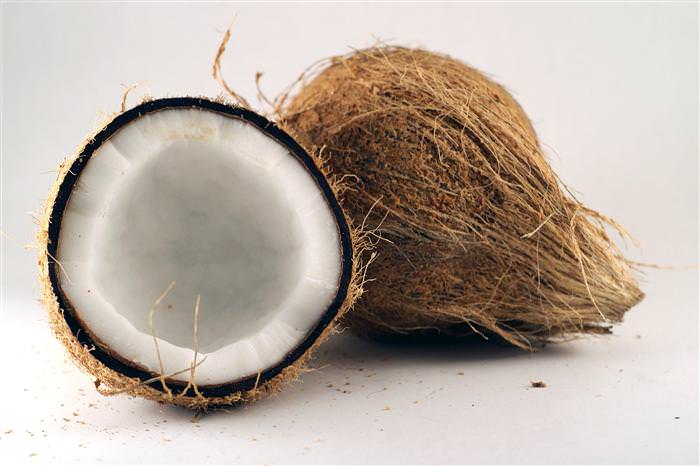
1. Coconuts Fight Fat - Sri Lanka
|
 |
| You
may have heard that coconut oil is a great way to slim your waist. Well the people of Sri Lanka figured this one out way before the rest of the world. It is reported that the average Sri Lankan eats about 116 coconuts per year, and they are half as likely as the average American to pack on the pounds. The reason is that coconut oil is packed with medium-chain fatty acids (MCFAs) that stimulate the liver to burn fat 50 percent faster than normal. Try having about two tablespoons of coconut oil daily (in your cooking) and you could shed up to three pounds a month! |
2. Yoga Treats Insomnia - Austria
|
 |
Although
yoga is practiced all over the world, in Austria it is used solely
as a stress-buster and quick treatment for insomnia. Austrians like to go all out and go on yoga retreats and holidays for up to a week, but according to research from the University of Pennsylvania, practicing yoga for just 20 minutes a day could get rid of your insomnia. The research also found that practicing yoga is just as effective, if not more, than taking a sleeping pill and it also will rid you of anxiety, stress and depression. |
3. Ginger Controls Triglycerides - Indonesia
|
 |
Indonesia
is the world's largest grower and consumer of ginger and
ginger products, with locals using it in their cooking, teas, candies and breads. Their tradition has long pointed to ginger as an effective treatment for the heart, and there are studies to back them up. Triglycerides are fats that clog your arteries, and according to Stanford researchers, a daily dose of ginger could cut the production of these fats by 27 percent. Ginger is also twice as effective as aspirin at preventing blood clots and preventing inflammation. |
4. Turmeric Steadies Blood Sugar - India
|
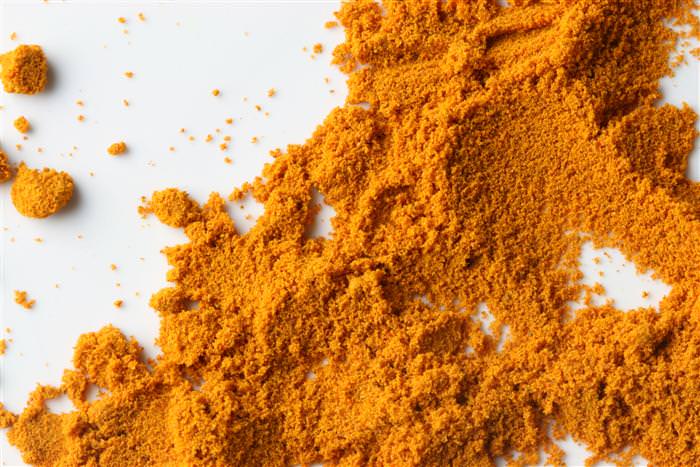 |
Turmeric
is a flavorful yellow spice used in rice and meat dishes and
even desserts, but it also has outstanding medicinal properties. Indians use turmeric to treat high blood sugar levels, a practice that has been scientifically confirmed by research at Gujarat University. They confirmed that the active ingredient in turmeric, called curcumin, switches on the genes that keep blood glucose levels stable. The compound can also help the pancreas make insulin when it is low. In order to see the benefits of turmeric, start taking about half a teaspoon daily either directly or in your cooking. |
5. Mushrooms Fight Cholesterol - Japan
|
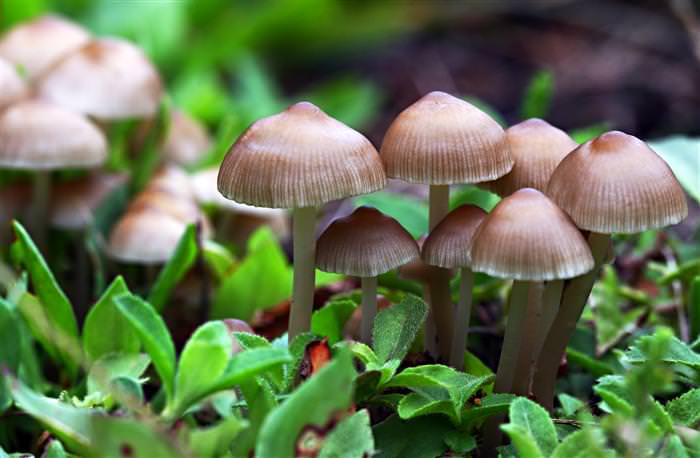 |
Mushrooms
are a popular food and medicine in Japan, with the average
Japanese woman consuming about 8 pounds of mushrooms a year. According to research from Penn State University, adding about a half a cup of mushrooms to your daily diet could cut cholesterol levels by nearly 30 percent. This is because mushrooms are packed with antioxidants that prevent the liver's production of artery-clogging fats. |
6. Mustard Baths Calm Muscle Pain - England
|
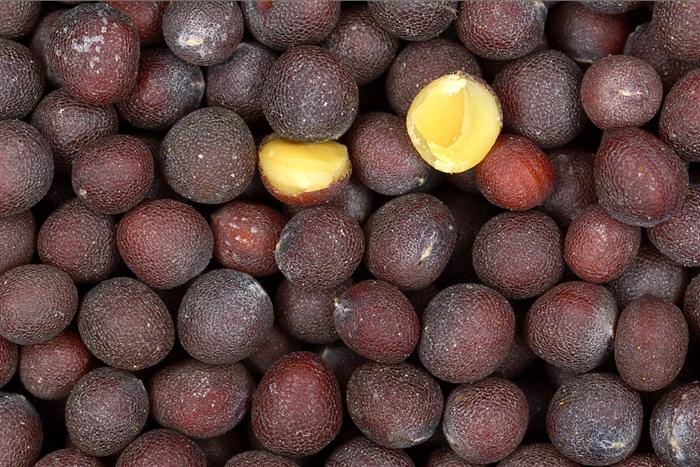 |
Ever
heard of a mustard bath? While it may sound like a hoax, mustard
baths are used heavily in England to quell tight and achy muscles. Mustard has healing plant compounds that draw out toxins through the pores to improve circulation, relax tight muscles and speed the healing of damaged tissue. For your own mustard bath, mix 2 cups of Epsom salts, 1/4 cup baking soda, 1/4 cup dry mustard in a jar. Pour only 1/4 of this mixture into a warm bath, mix the water before getting in, soak for 20 minutes and rinse. |
7. Chamomile Tea Beats Off Bloating - Germany
|
 |
Monday, December 16, 2013
Diabetes Cured With Traditional Recipe
Just received the following post:
Then I was 55 years old, one day suddenly I felt constant thirst and had the urge to drink more water, I also felt constant hunger even just after taking a meal, my legs often cramp and had severe cold sweat. I went for a check up and the doctor diagnosed Diabetes, sometimes it reached 250 and it worried me so much. Doctor prescribed some medication and I was on medication for 2.5 years.
My brother who was staying in Malaysia was very concerned,he was a successful businessman. I went to visit my brotherand sister when I was 57 yrs old and my brother told me he was given a traditional treatment recipe for diabetes which was claimed to be very effective. As a Hokkien who suffered from diabetes for 25 years, previously this had complication andwas unable to walk, but now he was cured.
Here's the Recipe :

Steam 4 limes (green lime) together with 1 chicken without head and tail, cut limes into half, add some salts and water level just to cover the chicken. I was given this 4times during my stay in Malaysia.The taste was not very good but I still took it in hope ofcuring the disease. It took me 1 week to finish the chicken(1 recipe), sometimes I drank it as a soup or for supper.
After 2 months I returned to Taiwan and had a medical check up again, the doctor advised me to stop my diabetes medication as the blood sugar plunged to below the standard count. He couldn't believe it when I told him what I took. From then on I did constant blood check and it was normal. So for prevention, sometimes I still had this chicken once in a while. Lime was not available in Taiwan at that time and my brother sent them to me from Malaysia.
I am now 71 years old, and there's no recurrence. During this time I have been staying in Canada, the USA and I have been having healthy diet and the chicken lime recipe once in a while which saves my life. As the ingredients are all natural, there's no harm at all to have a try and please spread this to your friends or whoever needs it.
Then I was 55 years old, one day suddenly I felt constant thirst and had the urge to drink more water, I also felt constant hunger even just after taking a meal, my legs often cramp and had severe cold sweat. I went for a check up and the doctor diagnosed Diabetes, sometimes it reached 250 and it worried me so much. Doctor prescribed some medication and I was on medication for 2.5 years.
My brother who was staying in Malaysia was very concerned,he was a successful businessman. I went to visit my brotherand sister when I was 57 yrs old and my brother told me he was given a traditional treatment recipe for diabetes which was claimed to be very effective. As a Hokkien who suffered from diabetes for 25 years, previously this had complication andwas unable to walk, but now he was cured.
Here's the Recipe :
Steam 4 limes (green lime) together with 1 chicken without head and tail, cut limes into half, add some salts and water level just to cover the chicken. I was given this 4times during my stay in Malaysia.The taste was not very good but I still took it in hope ofcuring the disease. It took me 1 week to finish the chicken(1 recipe), sometimes I drank it as a soup or for supper.
After 2 months I returned to Taiwan and had a medical check up again, the doctor advised me to stop my diabetes medication as the blood sugar plunged to below the standard count. He couldn't believe it when I told him what I took. From then on I did constant blood check and it was normal. So for prevention, sometimes I still had this chicken once in a while. Lime was not available in Taiwan at that time and my brother sent them to me from Malaysia.
I am now 71 years old, and there's no recurrence. During this time I have been staying in Canada, the USA and I have been having healthy diet and the chicken lime recipe once in a while which saves my life. As the ingredients are all natural, there's no harm at all to have a try and please spread this to your friends or whoever needs it.
Wednesday, July 31, 2013
Benefits of Walking

- The human body is made to walk. Â
- Walking 30 minutes a day cuts the rate of people becoming diabetic by more than half and it cuts the risk of people over 60 becoming diabetic by almost 70 percent. Â
- Walking cuts the risk of stroke by more than 25 percent. Â
- Walking reduces hypertension. The body has over 100,000 miles of blood vessels. Those blood vessels are more supple and healthier when we walk. Â
- Walking cuts the risk of cancer as well as diabetes and stroke. Â
- Women who walk have a 20 percent lower likelihood of getting breast cancer and a 31 percent lower risk of getting colon cancer. Â
- Women with breast cancer who walk regularly can reduce their recurrence rate and their mortality rate by over 50 percent. Â
- The human body works better when we walk. The body resists diseases better when we walk, and the body heals faster when we walk. Â
- We don't have to walk a lot. Thirty minutes a day has a huge impact on our health. Â
- Men who walk thirty minutes a day have a significantly lower level of prostate cancer. Men who walk regularly have a 60 percent lower risk of colon cancer. Â
- For men with prostate cancer, studies have shown that walkers have a 46 percent lower mortality rate. Â
- Walking also helps prevent depression, and people who walk regularly are more likely to see improvements in their depression. Â
- In one study, people who walked and took medication scored twice as well in 30 days as the women who only took the medication. Another study showed that depressed people who walked regularly had a significantly higher level of not being depressed in a year compared to depressed people who did not walk. The body generates endorphins when we walk. Endorphins help us feel good. Â
- Walking strengthens the heart. Walking strengthens bones.Â
- Walking improves the circulatory system. Â
- Walking generates positive neurochemicals. Healthy eating is important but dieting can trigger negative neurochemicals and can be hard to do. Â
- Walking generates positive neurochemicals. People look forward to walking and enjoy walking. Â
- And research shows that fit beats fat for many people. Walking half an hour a day has health benefits that exceed the benefits of losing 20 pounds. Â
- When we walk every day, our bodies are healthier and stronger. A single 30 minute walk can reduce blood pressure by five points for over 20 hours. Â
- Walking reduces the risk of blood clots in your legs. Â
- People who walk regularly have much lower risk of deep vein thrombosis. Â
- People who walk are less likely to catch colds, and when people get colds, walkers have a 46 percent shorter symptom time from their colds. Â
- Walking improves the health of our blood, as well. Walking is a good boost of high density cholesterol and people with high levels of HDL are less likely to have heart attacks and stroke. Â
- Walking significantly diminishes the risk of hip fracture and the need for gallstone surgery is 20 to 31 percent lower for walkers. Â
- Walking is the right thing to do. The best news is that the 30 minutes doesn't have to be done in one lump of time. Two 15 minute walks achieve the same goals. Three 10 minute walks achieve most of those goals. Â
- We can walk 15 minutes in the morning and 15 minutes at night and achieve our walking goals. Â
- Walking feels good. It helps the body heal. It keeps the body healthy. It improves our biological health, our physical health, our psychosocial health, and helps with our emotional health. Walking can literally add years entire years to your life.
Subscribe to:
Posts (Atom)