Thursday, November 13, 2014

Benefits of Walking


  • The human body is made to walk.
  • Walking 30 minutes a day cuts the rate of people becoming diabetic by more than half and it cuts the risk of people over 60 becoming diabetic by almost 70 percent.
 
  • Walking cuts the risk of stroke by more than 25 percent.
 
  • Walking reduces hypertension. The body has over 100,000 miles of blood vessels. Those blood vessels are more supple and healthier when we walk.
 
  • Walking cuts the risk of cancer as well as diabetes and stroke.
 
  • Women who walk have a 20 percent lower likelihood of getting breast cancer and a 31 percent lower risk of getting colon cancer.
 
  • Women with breast cancer who walk regularly can reduce their recurrence rate and their mortality rate by over 50 percent.
 
  • The human body works better when we walk. The body resists diseases better when wewalk, and the body heals faster when we walk.
 
  • We don't have to walk a lot. Thirty minutes a day has a huge impact on our health.
 
  • Men who walk thirty minutes a day have a significantly lower level of prostate cancer. Men who walk regularly have a 60 percent lower risk of colon cancer.
 
  • For men with prostate cancer, studies have shown that walkers have a 46 percent lower mortality rate.
 
  • Walking also helps prevent depression, and people who walk regularly are more likely to see improvements in their depression.
 
  • In one study, people who walked and took medication scored twice as well in 30 days as the women who only took the medication. Another study showed that depressed people who walked regularly had a significantly higher level of not being depressed in a year compared to depressed people who did not walk. The body generates endorphins when we walk. Endorphins help us feel good.
 
  • Walking strengthens the heart. Walking strengthens bones.
 
  • Walking improves the circulatory system.
 
  • Walking generates positive neurochemicals. Healthy eating is important but dieting can trigger negative neurochemicals and can be hard to do.
 
  • Walking generates positive neurochemicals. People look forward to walking and enjoy walking.
 
  • And research shows that fit beats fat for many people. Walking half an hour a day has health benefits that exceed the benefits of losing 20 pounds.
 
  • When we walk every day, our bodies are healthier and stronger. A single 30 minute walk can reduce blood pressure by five points for over 20 hours.
 
  • Walking reduces the risk of blood clots in your legs.
 
  • People who walk regularly have much lower risk of deep vein thrombosis.
 
  • People who walk are less likely to catch colds, and when people get colds, walkers have a 46 percent shorter symptom time from their colds.
 
  • Walking improves the health of our blood, as well. Walking is a good boost of high density cholesterol and people with high levels of HDL are less likely to have heart attacks and stroke.
 
  • Walking significantly diminishes the risk of hip fracture and the need for gallstone surgery is 20 to 31 percent lower for walkers.
 
  • Walking is the right thing to do. The best news is that the 30 minutes doesn't have to be done in one lump of time. Two 15 minute walks achieve the same goals. Three 10 minute walks achieve most of those goals.
 
  • We can walk 15 minutes in the morning and 15 minutes at night and achieve our walking goals.
 
  • Walking feels good. It helps the body heal. It keeps the body healthy. It improves our biological health, our physical health, our psychosocial health, and helps with our emotional health. Walking can literally add years entire years to your life.

Its good to walk.


Be good to yourself
. Be good to your body.

ALL ACUPRESSURE POINTS ARE IN THE SOLE OF YOUR FEET .....

Saturday, November 1, 2014

Turmeric and Alzheimer's


They've been looking for a cure, but so far have found nothing.

The search for an Alzheimer's drug has been almost a complete and total
failure.

Experts are saying that over 99 percent of the research they've been
spending years -- and billions of dollars on -- has gone nowhere.

But could the answer be right there under our nose?

And I mean that literally. Right under our nose in the pungent aroma of
dishes that use the spice turmeric.

Because there have been some very important studies done on this spice that
might help those showing signs of both Alzheimer's *and* dementia.

Researchers found that the antioxidant and anti-inflammatory properties in
turmeric may be powerful enough to break up the amyloid plaques in the
brain that contribute to Alzheimer's disease.

That could be due to the fact that turmeric is an antioxidant powerhouse
that also has anti-inflammatory effects.

And it could also explain why the rate of Alzheimer's in India (where
turmeric is widely consumed) is among the lowest in the world.

We've been hearing good news about turmeric for years, but this new
research looked at thousands of studies, data and articles about the spice.
And what it uncovered is that this remarkable root has more than 600
"potential preventive and therapeutic applications."

The health benefits of turmeric and its active ingredient curcumin -- the
spice that gives curry its familiar aroma and yellow hue -- have been found
in a new study to be as effective as 14 different drugs.


The researchers also compared the effectiveness of turmeric to some
big-selling drugs, and what they found was next to astounding. Not only did
turmeric do what these conventional meds claim to, but it did so without
risking any of the deadly side effects that these drugs bring along with
them.

   - Cholesterol -- A 2004 study found that turmeric reduces bad
   cholesterol, helps fight plaque buildup in the arteries and can be as
   effective as Lipitor.
   - Several studies have found that turmeric is as effective as steroid
   drugs in reducing inflammation.
   - A study published in 2011 found the spice to be just as good in
   relieving depression as popular antidepressants drugs like Prozac.
   - Research discovered that turmeric is an effective blood thinner, like
   aspirin, but with none of the side effects.
   - A 2009 study found that turmeric can be thousands of times more
   effective than drugs for diabetes such as Metformin. That research also
   uncovered that turmeric works in the liver to keep glucose levels down in
   diabetics.

So keep enjoying curry and other dishes that contain Turmeric, because the
good news about this spice is bound to just keep getting better.

Monday, June 9, 2014

How do you know if one treatment will work better than another, or if it will do more harm than good?

Cochrane Reviews are systematic reviews of primary research in human health care and health policy, and are internationally recognised as the highest standard in evidence-based health care.

They investigate the effects of interventions for prevention, treatment and rehabilitation. They also assess the accuracy of a diagnostic test for a given condition in a specific patient group and setting. They are published online in The Cochrane Library.

Each systematic review addresses a clearly formulated question; for example: Can antibiotics help in alleviating the symptoms of a sore throat? All the existing primary research on a topic that meets certain criteria is searched for and collated, and then assessed using stringent guidelines, to establish whether or not there is conclusive evidence about a specific treatment.

The reviews are updated regularly, ensuring that treatment decisions can be based on the most up-to-date and reliable evidence.
“We care that you care enough to help us provide people all over the world, with a personal or professional interest in health care, with reliable information.”

-
Sonja Henderson, former Managing Editor of the Cochrane Pregnancy and Childbirth Group, Liverpool, UK

Cochrane Reviews are designed to facilitate the choices that practitioners, consumers, policy-makers and others face in health care.........To read more, CLICK HERE 

Tuesday, June 3, 2014

Astragalus: Chinese medicinal herb enlisted in fight against allergic rhinitis

A herb long used in traditional Chinese medicine for diabetes has been recently proven effective for allergic rhinitis, with some even touting the plant as a 'superfood'.


Dr Pecanic, who is currently the Regulatory Department head of the South-East European Croatian-based health supplements and non-prescription drugs company Milsing, was in town recently to speak about a new allergy treatment based on the herb Astragalus membranaceus.

Also known as huang qi, bei qi or huang hu huang qi in Chinese, the dried root of A. membranaceus has actually been used in traditional Chinese medicine (TCM) for thousands of years. Its primary function in TCM is as an energising tonic and boosting the immune system, as well as treating diabetes.

It is this last function that led a group of researchers at the Ruder Bokovic Institute in Zagreb, Croatia, to take a deeper look at the root of this herb 14 years ago.

Milsing Product Development head and pharmacist Iva Martic shares: “During the research, they discovered that the activated root extract of A. membranaceus substantially influences some of the genes which are involved in the inflammatory reaction.

To read the whole article please CLICK HERE

Friday, May 2, 2014

Natural Remedies ... From Round the World

Natural remedies are the healthiest way to treat your ailments, 
but where do they come from? Here are 15 common natural 
remedies from around the world that you may or may not have heard of.  
This is necessary information for any health buff!

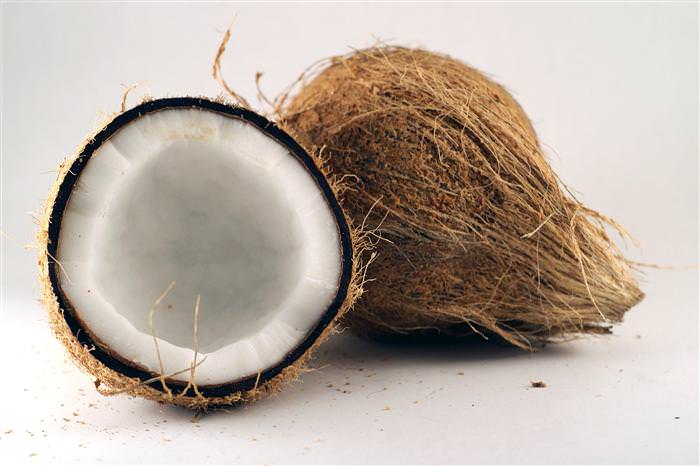
1. Coconuts Fight Fat - Sri Lanka
natural remedies

You may have heard that coconut oil is a great way to slim your waist. 
Well the people of Sri Lanka figured this one out way before the rest of the world. 
It is reported that the average Sri Lankan eats about 116 coconuts per year, and 
they are half as likely as the average American to pack on the pounds. 
The reason is that coconut oil is packed with medium-chain fatty acids (MCFAs) 
that stimulate the liver to burn fat 50 percent faster than normal. Try having about 
two tablespoons of coconut oil daily (in your cooking) and you could shed up to 
three pounds a month!


2. Yoga Treats Insomnia - Austria
natural remedies
Although yoga is practiced all over the world, in Austria it is used solely 
as a stress-buster and quick treatment for insomnia. Austrians like to go 
all out and go on yoga retreats and holidays for up to a week, but according 
to research from the University of Pennsylvania, practicing yoga for just 
20 minutes a day could get rid of your insomnia. The research also 
found that practicing yoga is just as effective, if not more, than taking a 
sleeping pill and it also will rid you of anxiety, stress and depression.


3. Ginger Controls Triglycerides - Indonesia
natural remedies
Indonesia is the world's largest grower and consumer of ginger and 
ginger products, with locals using it in their cooking, teas, candies 
and breads. Their tradition has long pointed to ginger as an effective 
 treatment for the heart, and there are studies to back them up. 
Triglycerides are fats that clog your arteries, and according to 
Stanford researchers, a daily dose of ginger could cut the production 
of these fats by 27 percent. Ginger is also twice as effective as 
aspirin at preventing blood clots and preventing inflammation.


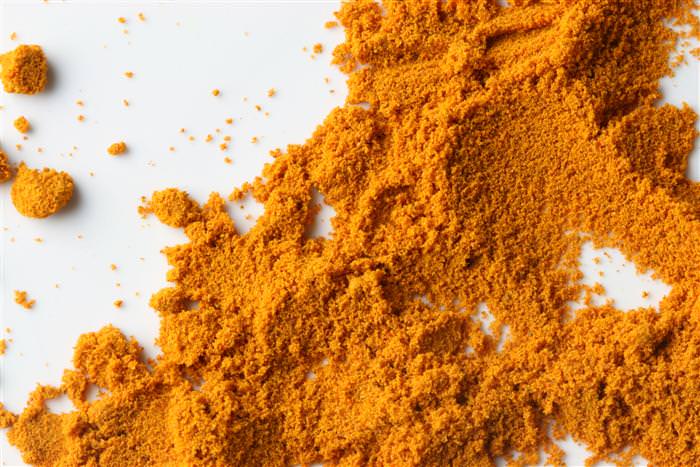
4. Turmeric Steadies Blood Sugar - India
natural remedies
Turmeric is a flavorful yellow spice used in rice and meat dishes and 
even desserts, but it also has outstanding medicinal properties. 
Indians use turmeric to treat high blood sugar levels, a practice 
that has been scientifically confirmed by research at Gujarat University. 
They confirmed that the active ingredient in turmeric, called curcumin,
 switches on the genes that keep blood glucose levels stable. 
The compound can also help the pancreas make insulin when it is low. 
In order to see the benefits of turmeric, start taking about half a 
teaspoon daily either directly or in your cooking.


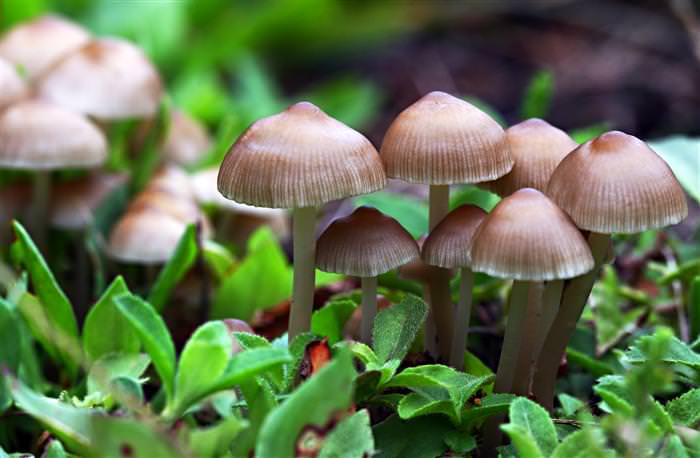
5. Mushrooms Fight Cholesterol - Japan
natural remedies
Mushrooms are a popular food and medicine in Japan, with the average 
Japanese woman consuming about 8 pounds of mushrooms a year. 
According to research from Penn State University, adding about a 
half a cup of mushrooms to your daily diet could cut cholesterol levels 
by nearly 30 percent. This is because mushrooms are packed 
with antioxidants that prevent the liver's production of artery-clogging fats.


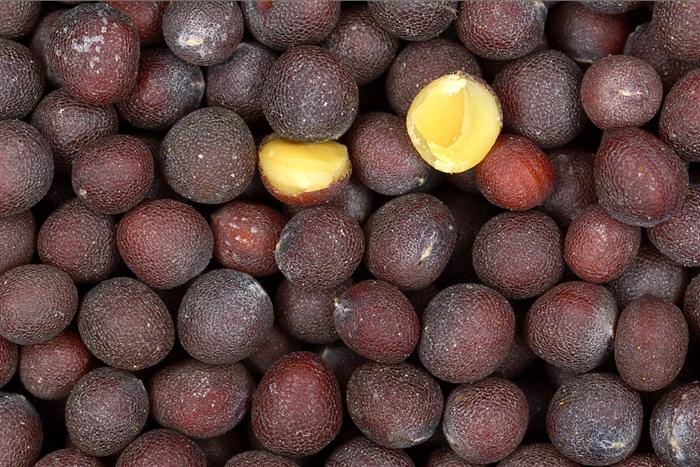
6. Mustard Baths Calm Muscle Pain - England
natural remedies
Ever heard of a mustard bath? While it may sound like a hoax, mustard 
baths are used heavily in England to quell tight and achy muscles. 
Mustard has healing plant compounds that draw out toxins through 
the pores to improve circulation, relax tight muscles and speed the 
healing of damaged tissue.

For your own mustard bath, mix 2 cups of Epsom salts, 1/4 cup 

baking soda, 1/4 cup dry mustard in a jar. Pour only 1/4 of this 
mixture into a warm bath, mix the water before getting in, soak 
for 20 minutes and rinse.


7. Chamomile Tea Beats Off Bloating - Germany
natural remedies

Monday, December 16, 2013

Diabetes Cured With Traditional Recipe

 Just received the following post:


Then I was 55 years old, one day suddenly I felt constant thirst and had the urge to drink more water, I also felt constant hunger even just after taking a meal, my legs often cramp and had severe cold sweat. I went for a check up and the doctor diagnosed Diabetes, sometimes it reached 250 and it worried me so much. Doctor prescribed some medication and I was on medication for 2.5 years.

My brother who was staying in Malaysia was very concerned,he was a successful businessman. I went to visit my brotherand sister when I was 57 yrs old and my brother told me he was given a traditional treatment recipe for diabetes which was claimed to be very effective. As a Hokkien who suffered from diabetes for 25 years, previously this had complication andwas unable to walk, but now he was cured. 


Here's the Recipe :


Steam 4 limes (green lime) together with 1 chicken without head and tail, cut limes into half, add some salts and water level just to cover the chicken. I was given this 4times during my stay in Malaysia.The taste was not very good but I still took it in hope ofcuring the disease. It took me 1 week to finish the chicken(1 recipe), sometimes I drank it as a soup or for supper.

After 2 months I returned to Taiwan and had a medical check up again, the doctor advised me to stop my diabetes medication as the blood sugar plunged to below the standard count. He couldn't believe it when I told him what I took. From then on I did constant blood check and it was normal. So for prevention, sometimes I still had this chicken once in a while. Lime was not available in Taiwan at that time and my brother sent them to me from Malaysia.

 I am now 71 years old, and there's no recurrence. During this time I have been staying in Canada, the USA and I have been having healthy diet and the chicken lime recipe once in a while which saves my life.  As the ingredients are all natural, there's no harm at all to have a try and please spread this to your friends or whoever needs it.

Wednesday, July 31, 2013

Benefits of Walking


  • The human body is made to walk.  
  • Walking 30 minutes a day cuts the rate of people becoming diabetic by more than half and it cuts the risk of people over 60 becoming diabetic by almost 70 percent.  
  • Walking cuts the risk of stroke by more than 25 percent.  
  • Walking reduces hypertension. The body has over 100,000 miles of blood vessels. Those blood vessels are more supple and healthier when we walk.  
  • Walking cuts the risk of cancer as well as diabetes and stroke.  
  • Women who walk have a 20 percent lower likelihood of getting breast cancer and a 31 percent lower risk of getting colon cancer.  
  • Women with breast cancer who walk regularly can reduce their recurrence rate and their mortality rate by over 50 percent.  
  • The human body works better when we walk. The body resists diseases better when we walk, and the body heals faster when we walk.  
  • We don't have to walk a lot. Thirty minutes a day has a huge impact on our health.  
  • Men who walk thirty minutes a day have a significantly lower level of prostate cancer. Men who walk regularly have a 60 percent lower risk of colon cancer.  
  • For men with prostate cancer, studies have shown that walkers have a 46 percent lower mortality rate.  
  • Walking also helps prevent depression, and people who walk regularly are more likely to see improvements in their depression.  
  • In one study, people who walked and took medication scored twice as well in 30 days as the women who only took the medication. Another study showed that depressed people who walked regularly had a significantly higher level of not being depressed in a year compared to depressed people who did not walk. The body generates endorphins when we walk. Endorphins help us feel good.  
  • Walking strengthens the heart. Walking strengthens bones. 
  • Walking improves the circulatory system.  
  • Walking generates positive neurochemicals. Healthy eating is important but dieting can trigger negative neurochemicals and can be hard to do.  
  • Walking generates positive neurochemicals. People look forward to walking and enjoy walking.  
  • And research shows that fit beats fat for many people. Walking half an hour a day has health benefits that exceed the benefits of losing 20 pounds.  
  • When we walk every day, our bodies are healthier and stronger. A single 30 minute walk can reduce blood pressure by five points for over 20 hours.  
  • Walking reduces the risk of blood clots in your legs.  
  • People who walk regularly have much lower risk of deep vein thrombosis.  
  • People who walk are less likely to catch colds, and when people get colds, walkers have a 46 percent shorter symptom time from their colds.  
  • Walking improves the health of our blood, as well. Walking is a good boost of high density cholesterol and people with high levels of HDL are less likely to have heart attacks and stroke.  
  • Walking significantly diminishes the risk of hip fracture and the need for gallstone surgery is 20 to 31 percent lower for walkers.  
  • Walking is the right thing to do. The best news is that the 30 minutes doesn't have to be done in one lump of time. Two 15 minute walks achieve the same goals. Three 10 minute walks achieve most of those goals.  
  • We can walk 15 minutes in the morning and 15 minutes at night and achieve our walking goals.  
  • Walking feels good. It helps the body heal. It keeps the body healthy. It improves our biological health, our physical health, our psychosocial health, and helps with our emotional health. Walking can literally add years entire years to your life.

Blood Pressure Chart

Every Cancer Can be Cured in Weeks - Explains Dr. Leonard Coldwell

Sunday, July 28, 2013

How to Avoid Cataracts

A cataract is a clouding that develops in the lens of the eye and blur our vision, 
causing nearsightedness (myopia) and decreasing our ability to detect the color blue. 
Left untreated, they may even cause full blindness. Many people develop cataracts 
in later ages, but there are ways to refrain from developing it, especially at an earlier age.  
Adhere to these tips and you may prevent a cataract ever forming on your lens!


Protect the eyes from the potential side effects of certain medications. Prolonged 
use of steroids, tranquilizers, and psoriasis medication may cause cataracts when 
taken in large doses over a long period of time.

Those suffering from diabetes should keep their blood sugar under control. This is because diabetics tend to develop cataracts faster and at an earlier age than other adults.


Protect your eyes from ultraviolet sun rays as these rays speed up the development of cataracts. Whenever out in the sun, wear sunglasses.


Studies have shown that antioxidant vitamins such as vitamin C, vitamin E and beta carotene slow the development of cataracts. Make sure your body doesn't lack any of these vitamins and if it does, take supplements.

If there is uncontrolled diabetes, injury to the eye, or visual symptoms of decreased reading vision, consult an ophthalmologist to evaluate the problem to help restore sight and prevent blindness. 

Foods like butter, oils (except olive oil) and salt, and increased fat consumption in general has been associated with a higher risk of developing cataracts. So, avoid using or limit the intake of such foods.

A diet rich in spinach, cruciferous vegetables (like broccoli), tomatoes, peppers, citrus fruits and melons help prevent cataracts.


Avoid exposure to heavy metals, particularly cadmium, copper, lead, iron and nickel as they may also increase cataract formation as these metals have been found in cataractous lenses.


Cataracts that occur due to the ageing process cannot be prevented as the ageing process itself cannot be prevented, but they can be delayed and fought against, so that you may not have to deal with them when you get older.


Saturday, July 27, 2013

PULUT HITAM (BLACK GLUTINOUS RICE)


Black rice is low in sugar but packed with healthy fibre and plant compounds that combat heart disease and cancer, according to scientists Black rice - revered in ancient China but overlooked in the West - could be the greatest 'superfoods', scientists revealed today. 
 
The cereal is low in sugar but packed with healthy fibre and plant compounds that combat heart disease and cancer, say experts. Scientists from Louisiana State University analysed samples of bran from black rice grown in the southern U.S.  
 
They found boosted levels of water-soluble anthocyanin antioxidants. Anthocyanins provide the dark colours of many fruits and vegetables, such as blueberries and red peppers. They are what makes black rice 'black'. Research suggests that the dark plant antioxidants, which mop up harmful molecules, can help protect arteries and prevent the DNA damage that leads to cancer. 
 
Food scientist Dr Zhimin Xu said: 'Just a spoonful of black rice bran contains more health promoting anthocyanin antioxidants than are found in a spoonful of blueberries, but with less sugar, and more fibre and vitamin E antioxidants. 'If berries are used to boost health, why not black rice and black rice bran ? Especially, black rice bran would be a unique and economical material to increase consumption of health-promoting antioxidants.' 
 
Centuries ago black rice was known as 'Forbidden Rice' in ancient China because only nobles were allowed to eat it. Today black rice is mainly used in Asia for food decoration, noodles, sushi and desserts. But food manufacturers could potentially use black rice bran or bran extracts to make breakfast cereals, beverages, cakes, biscuits and other foods healthier, said Dr Xu. When rice is processed, millers remove the outer layers of the grains to produce brown rice or more refined white rice - the kind most widely consumed in the West. 
 
Brown rice is said to be more nutritious because it has higher levels of healthy vitamin E compounds and antioxidants. But according to Dr Xu's team, varieties of rice that are black or purple in colour are healthier still. They added that black rice could also be used to provide healthier, natural colourants. Studies linked some artificial colourants to cancer and behavioural problems in children. The scientists presented their findings today at the 240th National Meeting of the American Chemical Society in Boston .  
 
Victoria Taylor, senior dietician at the British Heart Foundation, said: 'In reality, it's unlikely there's a single food out there that will have a great impact on lowering your risk of heart disease. Healthy eating is about a balanced diet overall. 'It's great if you can eat more of some groups of healthy foods, like having five portions of fruit and vegetable a day, but there is still no conclusive evidence that 'super foods' alone make a real difference to your heart health.' 

Health Benefits Of Black Rice Have you heard about black rice ? Like red and brown rice, black types of rice retain the bran cover that is usually removed to create the traditional white rice.  This means that it retains its natural nutritional benefits than the more processed white rice. In ancient China , black rice was only served to the highest authority which is the emperors.  Once you were caught eating black rice, you would be subject for death execution.  This was the reason why in ancient Chinese times, black rice was referred to as the "Forbidden Rice".  


Today, this type of rice are being distributed worldwide and its nutritional benefits are already discovered. Sometimes referred as "Super Food", black rice are packed with vitamins, amino acids and minerals plus high amounts of fiber. Black rice also contains anthocyanins, a good antioxidant food source that is a perfect component for cancer prevention and other serious diseases.  This is the reason why it has dark blue, purple colour.  This antioxidant is also responsible for good memory and maintains a healthy heart.  
 
This rice also has less sugar, making it more ideal to people who are diabetics.  It also contains more fiber than brown rice, thus helping you lose more cholesterol and lessen the risks of hypertension. Black rice is a good alternative for your daily meal. 
 
Instead of indulging yourselves into a fatty diet, why not try black rice. It is more heart-friendly, prevents cancer and may also promotes weight loss. You can acquire black rice through your local supermarkets or you can buy online through different online retails stores like eBay and Amazon
 

The Most Important Medical Test

Important Message From
Dr. Sudhir V. Shah M.D., D.M. (Neurology) Consultant Neurologist, Prof. and HOD, Neurology, V.S.G.Hospital, Ahmedabad.
Director of Neurosciences, Sterling Hospital, Ahmedabad. 
Clinic Address: 206/7/8 Sangini Complex, Near Parimal Railway Crossing, Ellisbridge, Ahmedabad-380006, Gujarat, India. http://www.sudhirneuro.org/
Tele No. (C) 079-26467052, 26467467 (R) 079-26621742


Recently I spoke at a health conference and had several great conversations with many health-conscious people. Although the questions I was asked during and after my presentation ran the gamut, there was one general reaction that came through loud and clear. Sheer surprise. You see, I talked about the number that is THE most telling indicator about your state of health and is arguably the most important number to pay attention to if you want a life free of pain, inflammation and disease. It’s not your weight. Your BMI? Nope. No - it's not your cholesterol. Or your triglycerides. It's not even your blood pressure !

It's your
pH. (pH factor indicates acidic versus alkaline ratio in your body) Here is what kept my audience on the edge of their seats.


Alkaline
pH--why in the world? In a flashback to high school chemistry, remember that the pH scale goes from 0 to 14. 


0 is pure acid, 7 is neutral, and 14 is pure alkaline. You came into this world with an alkaline pH. It's how your body was designed and how you're meant to stay. Without exception, ALL of your organs, tissues, bones and joints work best when your blood pH is slightly alkaline (around 7.365).
If your
pH
is even just a little too acidic, that's when your body can begin to literally break down. Aches and pains begin to creep up. 

 
Tumors(including cancer) can flourish. Diseases can rear their ugly heads. Although a number of factors can contribute to an acid pH,(including stress, environmental toxins, lack of exercise and smoking), far and away the number one factor is your FOOD.

Eating acid-creating foods (especially fast food, processed food, meat, dairy, refined carbs and hard to digest meal combinations) pulls your
pH down toward the acid range. On the other hand, when your diet contains many alkaline foods (like fresh fruits and vegetables) and is easy for your body to break down, you encourage a more alkaline pH
.

A snapshot of your innards Let's take a look at your innards and see some examples of how your body can break down when you're acidic: Your Heart Your heart pumps an unbelievable 13,000 quarts of blood a day--enough to fill a small swimming pool! If there are toxins in your blood, that puts a huge strain on your heart to do its job. Acid wastes in your system also rob your blood of oxygen, which causes your heart tissue to deteriorate. And you don't want your ticker breaking down, do you?


Your Liver The liver serves over 300 different functions-with two of the most important being to remove acid wastes from your blood and make alkaline enzymes for your body. If you're like most people who live in industrialised countries, your blood resembles a war zone with far too many toxins floating around, and your liver is constantly being stressed cleaning them out. If that goes on long enough, it can completely shut down. And so will you.

Your Pancreas The pancreas is super important... in fact, it's responsible for completing digestion in your small intestine. And it helps regulate blood sugar by producing insulin. Like I said, super important. More so than any other organ, the pancreas is extremely sensitive to your pH and absolutely CANNOT function when you're acidic -- it MUST have an alkaline environment. If your pancreas is not working right, you can be looking at type II diabetes,(which can kill you FAST). 


Your Kidneys
The kidneys create urine and help get rid of excess acid from the body. About one litre of blood passes through them every single minute! If your blood has too much acid and toxins, your kidneys are over-stressed and unable to do their job. (Ever hear of dialysis? Kidney stones?)

Your Stomach
When your stomach properly breaks down your food, the small intestine can finish the job and digestion is completed like it should be. But foods that are acid-creating are hard for your stomach to break down, and in its efforts to do its job, it may overproduce acid. The result can be poorly digested food, fewer nutrients being absorbed, and acid rising up into your throat. Acid reflux, GERD, IBS, hiatal hernia and gastritis are all on the rise and this is why. The typical American diet is LOADED with hard to digest, acid-creating food.

Your Colon
Wastes are supposed to easily pass through the colon and "out your back door." But if digestion has not been accomplished properly, they don't move through like they should. Instead they can clog your colon walls, become a breeding ground for bacteria and disease and cause you to put on weight. Plus, the toxins can be reabsorbed into your bloodstream, make you ill and encourage the development of food sensitivities. It’s no surprise that colon cancer is the number one cancer killer, and that so many people suffer with IBS, diverticulosis/itis and chronic constipation, is it?

An acid pH is GOOD -- when you're DEAD There is one time when you're SUPPOSED to have an acid pH. When you're DEAD. Your body automatically becomes acidic upon death so it can decompose like it's supposed to. I don't want that happening any time too soon, do you?
So... how do we get this magic 7.365
pH? Hopefully you've gotten the idea of how important it is to have a slightly alkaline pH while you're still breathing and vertical. 


Now I'll tell you the 4 steps to attaining and maintaining an optimal alkaline
pH
:

 
Step 1- Check your pH at regular intervals
You can get a saliva test or urine test kit at most drug stores or health food stores. The saliva test is the least accurate and urine is slightly more accurate. You can also have your blood tested by a doctor. This is the most accurate measure but also the most expensive. If you  want this done and  your doctor won't do it, find one who  will. The
normal pH for urine is about 6.5-6.8 (it's acidic because  urine is an exit for toxins), for saliva 7.0-7.4 and for blood 7.365 is your  target. If you're testing your pH with saliva or urine, it's important to perform the test several times at different times of the  day, since pH
can  be affected by what you eat or drink.

 
Step 2- Drink pure water
Aim for at least 5-8 glasses per day. Stir in a little fresh-squeezed lemon juice to make it more alkaline if you'd like. Alkalizing drops are also available at health food  stores. Water means water and does not mean coffee, tea, Gatorade, soda  or other sweetened drinks. But avoid drinking tap  water as it can contain  chlorine and/or fluoride. Strive to drink filtered or bottled water.

 
 Step 3- Eat more alkaline foods
 The important thing to note here is you CAN continue  to eat some  "good" acid foods that have valid nutrients - so if you don't want to give up that juicy steak you love or that roasted chicken,  you don't have to. Just make sure that those acid foods are counterbalanced by a good portion of alkaline foods. 50/50 is a good place to  start, and the more  alkaline, the better. "Good" acid foods include nourishing things like:
*Eggs, *Fish, *Chicken,*turkey’ *Brown rice, *Yogurt, * Beef (preferably grass fed and organic). These foods have nutrients that do benefit your body. So it's not necessary to eliminate them. You  just need to make sure to keep them under control, and make sure they represent no more than 50% of your calories. And remember it's NEVER a good idea to eat processed food, fast food or drink soda. Keep those to a bare minimum or preferably none at all.

Step  4- Keep your digestion efficient
In order to keep your digestion humming, it's vital to eat meal combinations that are easily broken down and don't cause your stomach to  over produce acid, and make sure you have adequate enzymes to do the job.
 
Simply put:
Easy digestion = proper elimination of wastes = a more alkaline pH
Poor digestion = acid waste build-up = Sickness and a  more acid pH

Without the proper enzymes for digestion, you can suffer from
gas, bloating, constipation, waste build-up... and  you'll have a more acidic pH!

So remember--while your weight, blood pressure, cholesterol,  etc. are all very important too, it's vital to keep your eye on the
MOST important number--your pH. Do that and your body will thank you many times over.
--